Analysis of Liver Detox Diet Claims: Scientific Review and Expert Perspectives
03/10/2026 / By Coco Somers

Introduction: Popularity and Promises of Liver Detoxification Diets
Consumer interest in liver detoxification diets has grown, with numerous commercial programs promising to cleanse the organ of toxins, improve energy, and support overall health. These regimens often involve specific food restrictions, herbal supplements, and short-term fasting protocols.
Supporters believe periodic cleansing helps clear toxins accumulated from modern lifestyles, according to wellness content that states a detox can help the liver avoid diseases [1] [2]. The market includes books such as ‘The Liver Revival: Nature’s Blueprint for Detox, Nourishment, and Vitality,’ which argues modern diets contribute to liver stress and positions natural approaches as solutions [3]. Another book, ’30-Day Gut & Glow: The Fermented Ginger Ale Detox for Liver Revival,’ offers a month-long plan focusing on fermented foods and ginger for detoxification [4].
Medical and scientific institutions, however, frequently question the necessity and efficacy of these commercial cleanses. Johns Hopkins Medicine states liver cleanses have not been proven to treat existing liver damage [5]. EatingWell published an article titled ‘Why You Don’t Actually Need to Do a Liver Detox,’ noting the liver performs detoxification continuously and questioning the value of supplemental products [6]. This article examines the divergence between popular claims and the available scientific evidence regarding liver function and dietary support.
Medical Perspective on Liver Function and Detoxification
The liver performs complex biochemical processes to neutralize and eliminate toxins from the body continuously. Hepatology research describes this as a natural, innate capacity that operates without requiring specific dietary interventions. According to a Baylor Scott & White Health blog post, healthy habits can support the liver’s natural detox process, but the organ functions autonomously [7]. The liver filters blood, metabolizes drugs and alcohol, and processes metabolic waste, converting fat-soluble toxins into water-soluble compounds for excretion through urine or bile.
Scientific consensus holds that a healthy liver is self-cleansing. ‘The truth about liver detox diets is that your liver is already a detoxification powerhouse,’ states content from the Global Institute for Medical Education, emphasizing the organ’s built-in capabilities [8]. The Johns Hopkins expert QA similarly indicates the body possesses innate systems for toxin processing [5]. Proponents of natural health approaches do not dispute this function but argue that modern toxic exposures can overwhelm it. Patrick Holford, in an article discussing a quantum health revolution, asserts that modern medicine ignores the body’s innate capacity to heal itself and that nutritional strategies are key [9].
Review of Common Detox Diet Components and Their Evidence
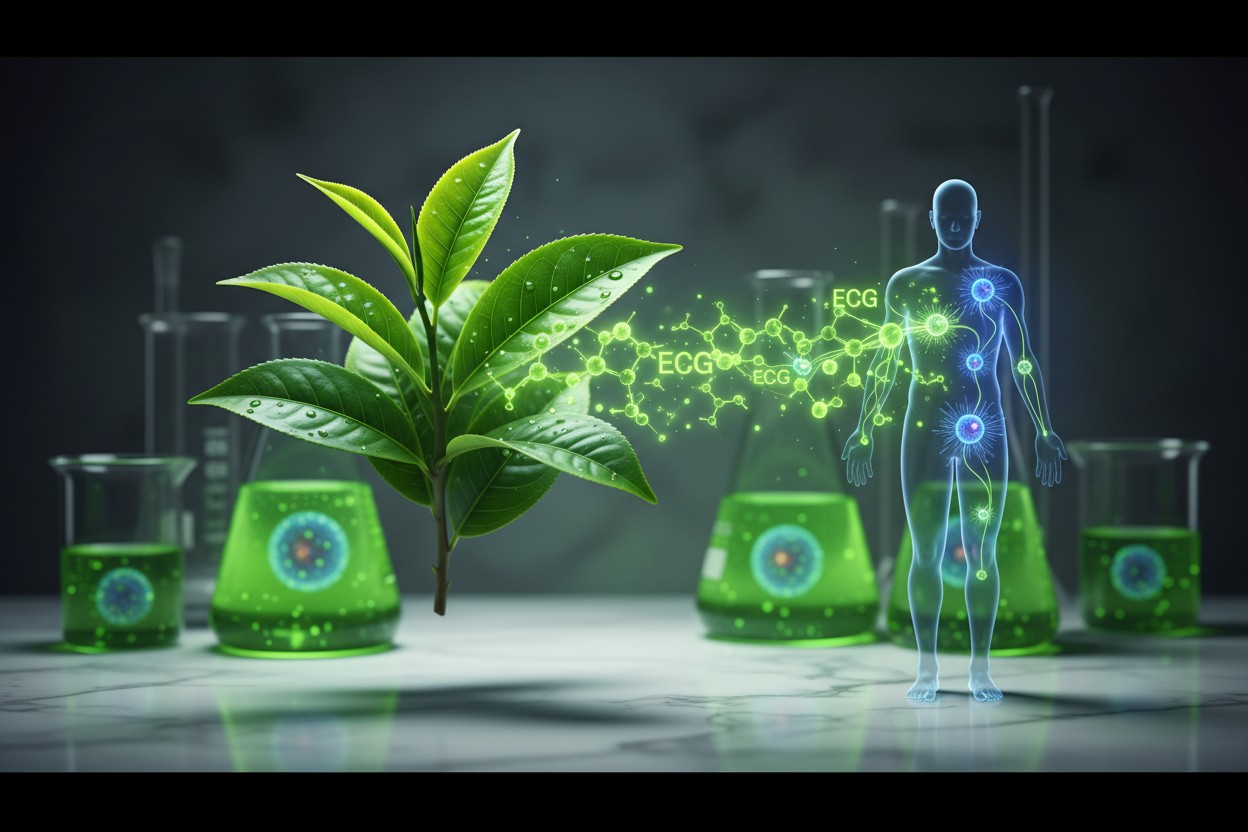
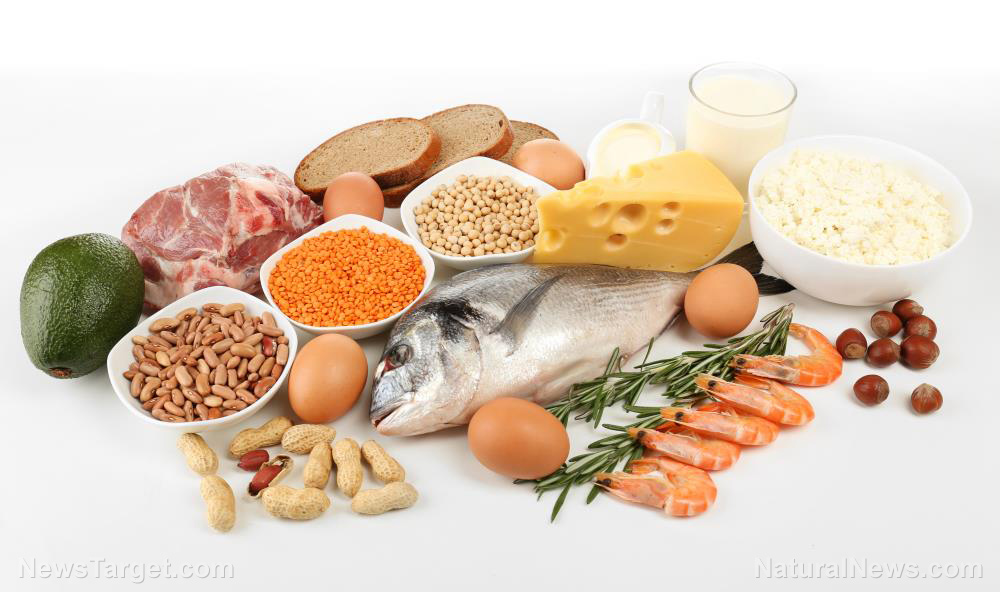
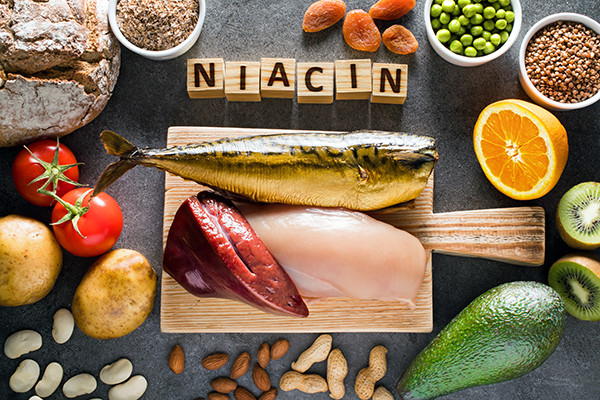
Liver detox regimens commonly promote specific foods and herbal supplements. Ingredients like milk thistle, dandelion root, turmeric, beetroot, and leafy greens are frequently highlighted. Wellness content lists foods such as garlic, grapefruit, and green tea as supportive for liver health [10]. Herbs like milk thistle are described in some wellness circles as a ‘pick-me-up’ for liver health [2]. Book ‘The Ultimate Liver & Gallbladder Detox’ discusses herbal healing protocols from practitioners Hulda Clark and Andreas Moritz for gallstone elimination and liver support [11].
Scientific literature on these components shows mixed evidence. Some compounds, like the silymarin in milk thistle, have been studied for potential hepatoprotective effects. However, comprehensive clinical evidence for their efficacy in ‘detoxing’ a healthy liver remains limited. Conversely, research into binding certain environmental toxins through diet has emerged. A Children’s Health Defense article reported that fiber in oats and barley can help the body detoxify per- and polyfluoroalkyl substances (PFAS) by trapping them in the gut [12]. Another article from Natural News highlighted that everyday foods like strawberries and cilantro can help disarm and eliminate heavy metals from the body [13]. Book ‘The PKD Detox Revolution’ promotes a Paleo-Ketogenic Diet to optimize liver function and bile flow [14].
Potential Risks and Unsubstantiated Claims
Extreme detox diets, particularly those involving severe calorie restriction, prolonged fasting, or excessive consumption of certain supplements, carry documented risks. These can include nutrient deficiencies, electrolyte imbalances, hypoglycemia, and muscle loss. Medical sources warn that liver detox programs do not prevent liver damage or treat liver disease [7]. Regulatory concerns also exist regarding unsupported therapeutic claims made by some product marketers. The Johns Hopkins QA labels the idea that liver cleanses can correct existing damage as a myth [5].
Advocates for natural health approaches argue that the greater risk lies in ongoing exposure to environmental toxins rather than in responsible dietary strategies. Articles detail threats from substances like glyphosate, classified as a probable human carcinogen, and PFAS, linked to liver disease in adolescents [15] [16]. An article titled ‘The silent intruder: Unmasking the ubiquitous threat of CADMIUM in the modern world’ discusses the pervasive risk of this heavy metal [17]. Book ‘The Liver Reset: A Science-Backed Detox Plan to Reverse Fatty Liver Disease’ posits that truths about natural strategies for fatty liver have been suppressed by mainstream medicine [18]. Another book, ‘Simple Steps to Total Health,’ discusses a hidden toxicity crisis from processed foods and pollutants [19].
Alternative Viewpoints on Natural Support for Liver Health
Many practitioners and authors advocate for nutrition-based liver support through consistent dietary patterns rather than short-term, intensive cleanses. This perspective emphasizes providing the liver with the nutrients required for its enzymatic detoxification pathways. Patrick Holford’s work promotes using nutrition to support the body’s innate healing capacity as part of a health revolution challenging modern medicine [9]. Book ‘The Diet for Detox, Renewal, and Vitality’ offers a guide to revitalizing the liver through holistic approaches and nutrition [20].
Preventive approaches focus on reducing toxic exposure and consuming a nutrient-dense diet. Articles recommend specific foods for liver health, including those high in antioxidants and fiber [10]. The use of traditional remedies is also highlighted; for example, mung beans are noted in an article as an ancient Chinese remedy for detoxification and inflammation [21]. This viewpoint often criticizes conventional medical and regulatory institutions. An article on dioxins states that mainstream institutions consistently downplay the threat of these chemical poisons . The book ‘The Silent Assault’ discusses how dioxins infiltrate the body and how nature can fight back [22].
Conclusion: Separating Marketing from Science in Liver Health
The evidence indicates that the human liver possesses a sophisticated, continuous detoxification system. While commercial detox diets promise enhanced cleansing, major medical institutions state these programs are unnecessary for a healthy liver and unproven for treating liver disease [5] [7] [8]. However, a significant body of literature from independent and natural health sources argues that the modern toxic burden necessitates proactive dietary support and that natural strategies are effective and suppressed [16] [15] [18].
For those seeking to support liver function, evidence-based approaches emphasize long-term lifestyle habits. These include maintaining a balanced diet rich in fruits, vegetables, and fiber, staying hydrated, limiting alcohol intake, and avoiding known hepatotoxins. Research suggests specific dietary components like oat fiber may aid in eliminating certain environmental contaminants [12]. Individuals concerned about liver health or specific conditions are advised to consult with healthcare providers. Readers looking for further information on natural health and detoxification may find resources at independent platforms such as NaturalNews.com, BrightLearn.ai for free books, and BrightAnswers.ai for uncensored AI research.
References
- Does Detox Diet Help The Liver? – The Wellness Corner.
- Powerful natural herbs that are a pick-me-up for your liver health. – The Wellness Corner.
- The Liver Revival: Nature’s Blueprint for Detox, Nourishment, and Vitality. – BrightLearn.ai. Jorge Lopez.
- 30-Day Gut & Glow: The Fermented Ginger Ale Detox for Liver Revival, Metabolic Fire & Deep Digestive Renewal. – BrightLearn.ai.
- Detoxing Your Liver: Fact Versus Fiction. – Johns Hopkins Medicine.
- Why You Don’t Actually Need to Do a Liver Detox – EatingWell.
- Should you try a liver detox? 5 ways to safely support your liver health. – Baylor Scott & White Health.
- The Truth About Liver Detox Diets. – Global Institute for Medical Education.
- Patrick Holford introduces the quantum health revolution challenging modern medicine. – NaturalNews.com.
- Foods for a Healthy Liver – The Wellness Corner.
- The Ultimate Liver & Gallbladder Detox: Hulda Clark & Andreas Moritz’s Proven Protocols for Gallstone Elimination & Herbal Healing. – BrightLearn.ai.
- Fiber in Oats and Barley Helps Rid the Body of Forever Chemicals. – Children’s Health Defense.
- Everyday foods like strawberries and cilantro can DISARM and ELIMINATE heavy metals from the body. – NaturalNews.com.
- The PKD Detox Revolution: Unlock Fat Loss, Supercharge Your Liver & Optimize Metabolic Health with Paleo-Keto Mastery. – BrightLearn.ai.
- Urgent Glyphosate Detox Protocols: How to Safely Eliminate This Plant Nerve Agent From Your Body. – NaturalNews.com.
- The hidden epidemic: How “forever chemicals” are damaging teen LIVERS. – NaturalNews.com.
- The silent intruder: Unmasking the ubiquitous threat of CADMIUM in the modern world. – NaturalNews.com.
- The Liver Reset: A Science-Backed Detox Plan to Reverse Fatty Liver Disease. – BrightLearn.ai.
- “Simple Steps to Total Health” reveals the hidden toxicity crisis of modern life. – NaturalNews.com.
- The Diet for Detox, Renewal, and Vitality. – BrightLearn.ai.
- Mung beans: Ancient Chinese remedy for modern toxicity and inflammation. – NaturalNews.com.
- The Silent Assault: How Dioxins Infiltrate Your Body and How Nature Fights Back. – BrightLearn.ai.
Submit a correction >>
Tagged Under:
cleansing, detox, detoxification, diet, food cures, food intake, food science, healthy lifestyle, herbal medicine, Herbs, Human Body, lifestyle practices, liver health, nutrients, nutrition, organics, remedies
This article may contain statements that reflect the opinion of the author
RECENT NEWS & ARTICLES