The calcium renaissance: Rediscovering a pillar of health beyond the dairy aisle
03/28/2026 / By Willow Tohi

- Calcium is vital for bone, heart, muscle and nerve health, with a daily target of at least 1,000 mg for most adults.
- While dairy like milk, cheese and yogurt are excellent, bioavailable sources, numerous non-dairy options exist.
- Plant-based powerhouses include leafy greens (kale, collards), beans, lentils, almonds and calcium-set tofu.
- Fortified foods and beverages, such as certain cereals, juices and non-dairy milks, can significantly boost calcium intake.
- Other key sources are sardines and canned salmon (with bones), seeds and dried figs, offering a diverse nutritional profile.
An elemental need, a modern solution
In an era of diverse diets and growing nutritional awareness, the quest for adequate calcium—a mineral fundamental to skeletal integrity, cardiac function and neural communication—has evolved far beyond a simple glass of milk. For adults, the daily benchmark stands at a minimum of 1,000 milligrams, a need heightened for adolescents, postmenopausal women and older adults. Historically, dairy reigned supreme in the public consciousness for meeting this requirement. Today, however, a confluence of dietary preferences, lactose intolerance and advanced food science has ushered in a renaissance, revealing a vast and varied landscape of calcium-rich foods. This exploration is not merely about alternative sources; it is about optimizing a cornerstone of lifelong health through both traditional and innovative means.
The dairy dynasty: More than just calcium
Dairy products remain gold-standard sources due to their high calcium content and the high bioavailability of the mineral within them. A single cup of cow’s milk provides between 306-325 mg of calcium, alongside protein and vitamins A and D. Yogurt, particularly varieties rich in probiotics, offers similar benefits and is associated in research with potential protective effects against heart disease and type 2 diabetes. Cheese, especially hard, aged types like Parmesan, concentrates calcium, and their lower lactose content makes them accessible to more individuals. The enduring value of dairy in the human diet is well-established, but it is now part of a broader nutritional narrative.
The power of plants: Leafy greens, legumes and more
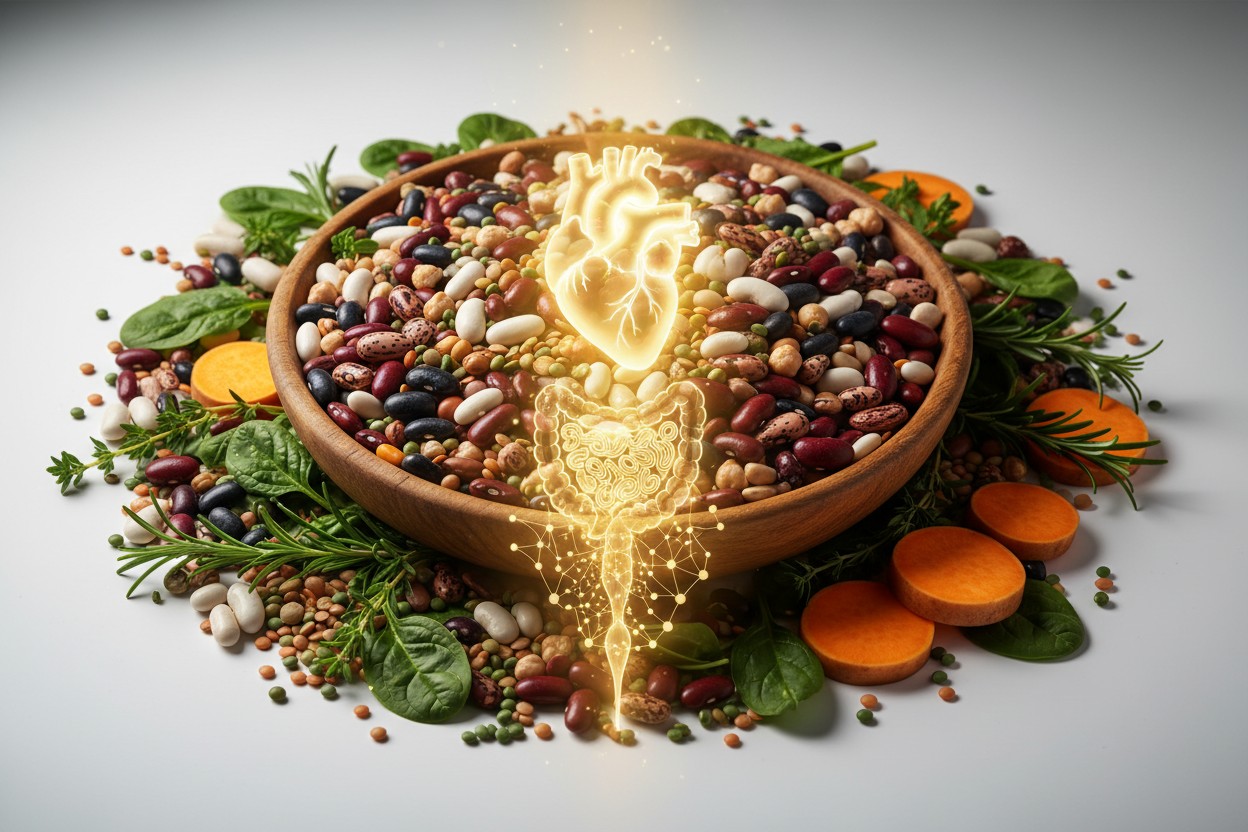
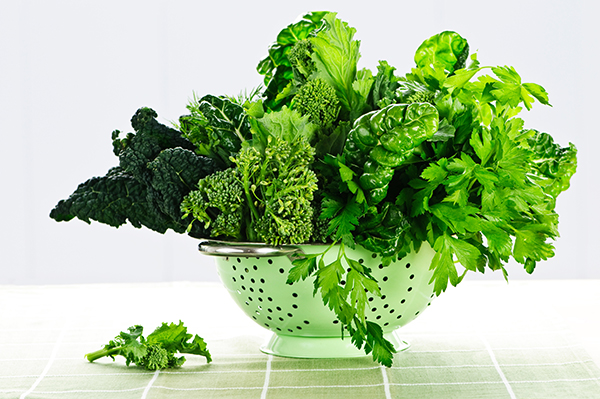
The plant kingdom offers a formidable array of calcium sources, each bringing a suite of complementary nutrients. Dark leafy greens such as collard greens and kale are exceptionally rich, with a cooked cup of collards providing about 27% of the daily value. It is important to note that some greens like spinach contain oxalates, which can inhibit calcium absorption, making low-oxalate varieties like kale and collards more efficient sources. Legumes, including white beans and winged beans, are another pillar, delivering not only calcium but also fiber, protein, and minerals like magnesium and potassium—nutrients that synergistically support bone and metabolic health.
Unexpected bounty: From sea to snack bowl
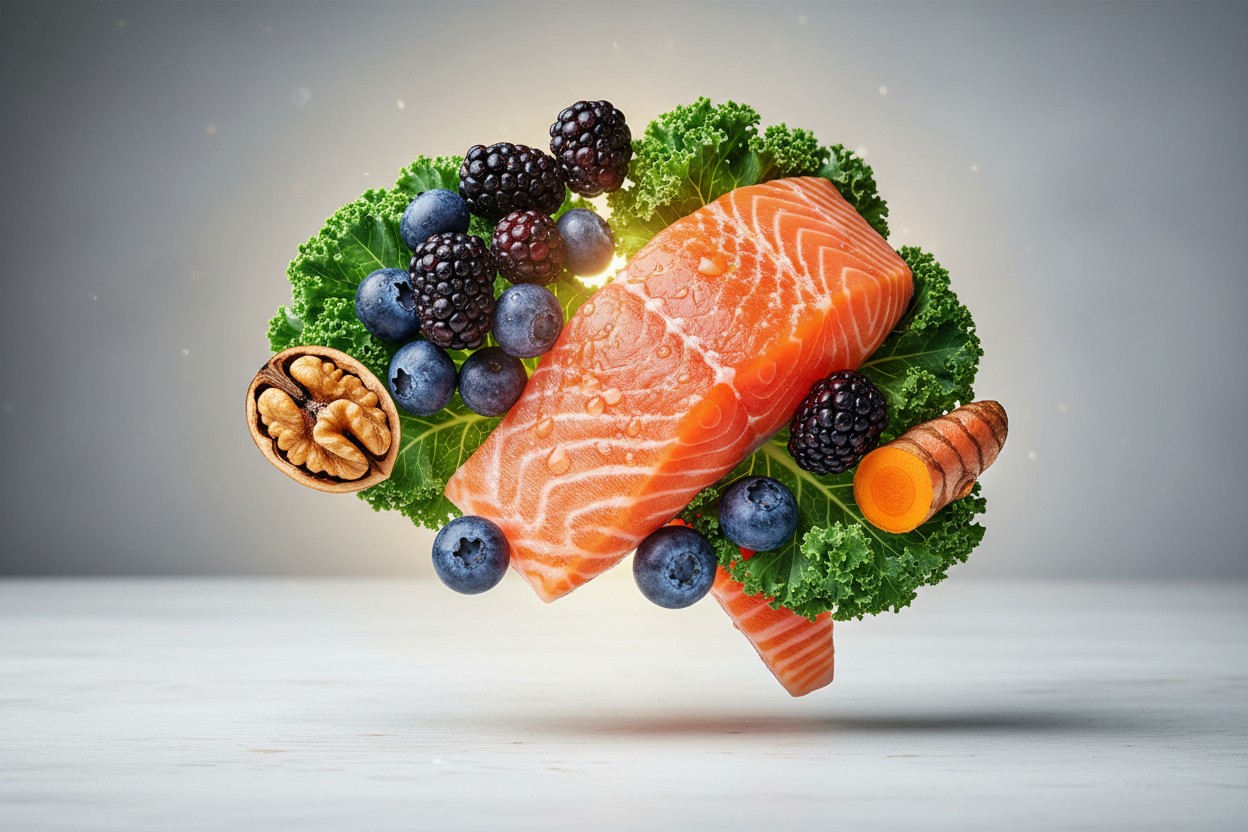
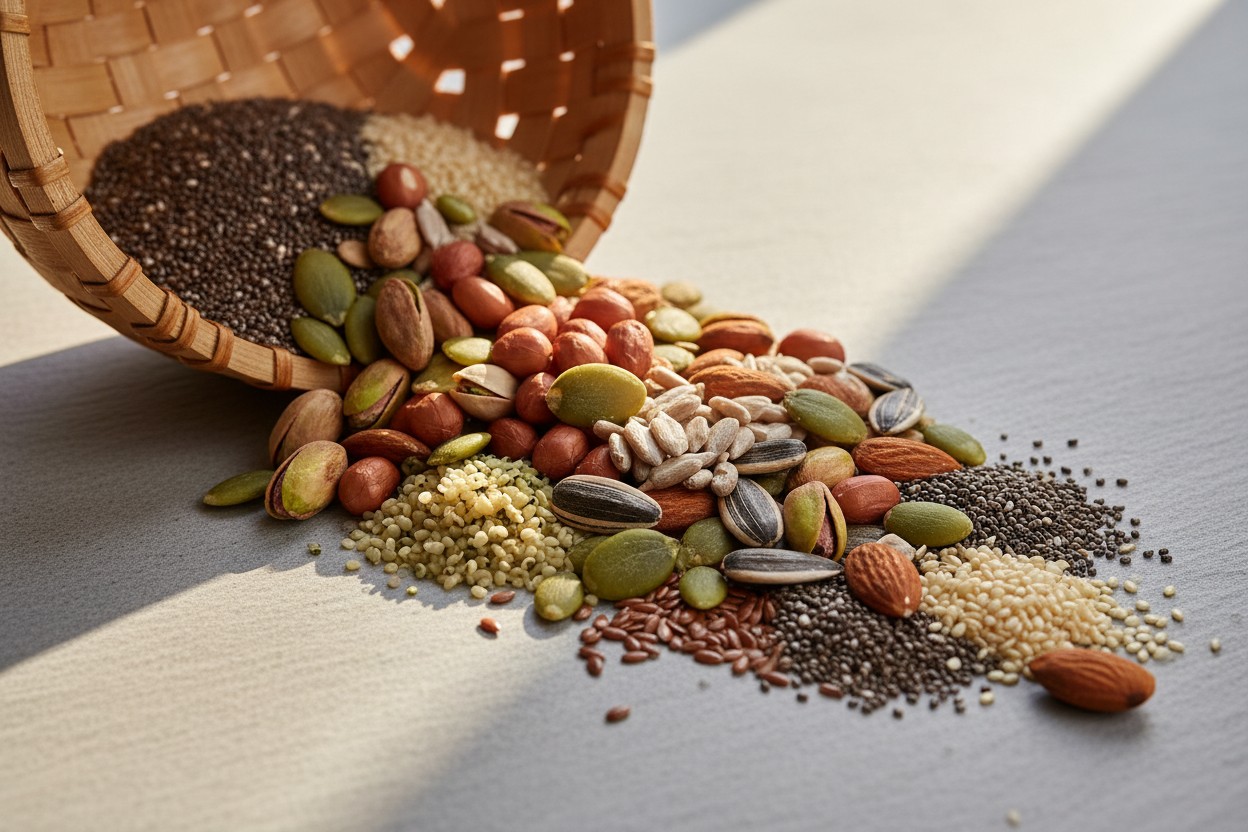
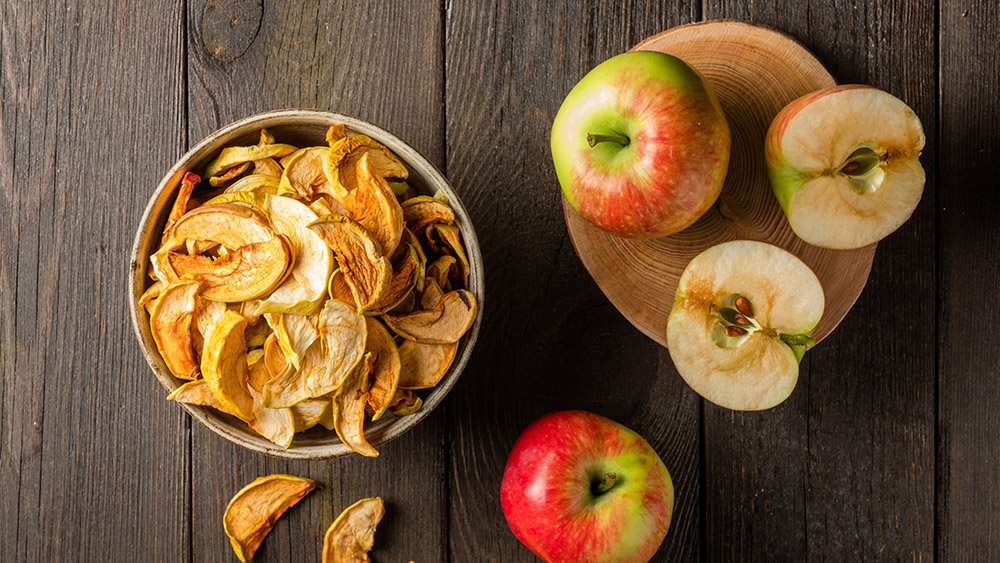
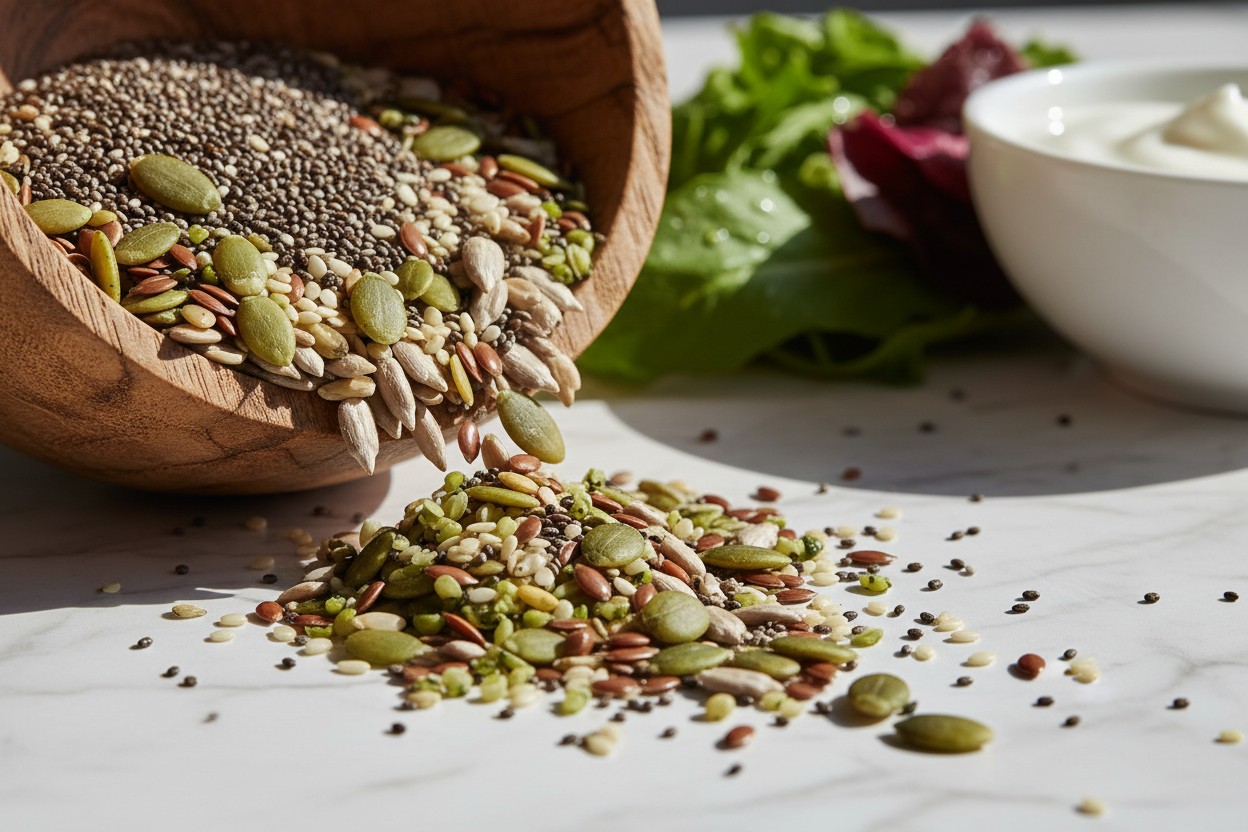
Some of the most potent calcium sources come from unexpected places. Canned sardines and salmon, consumed with their soft, edible bones, are remarkably high in calcium and also provide omega-3 fatty acids and high-quality protein. In the snack aisle, almonds lead among nuts for calcium content, while seeds like poppy, sesame and chia are tiny nutritional powerhouses. Even dried figs contribute a notable amount. These foods underscore that strategic snacking and pantry staples can significantly contribute to daily calcium goals without a central focus on dairy.
Fortification and innovation: Building a better food supply
The modern food supply has strategically addressed calcium needs through fortification, a practice with significant public health implications. This innovation ensures that individuals following vegan diets or with dairy allergies are not left behind.
- Fortified non-dairy milks (soy, almond, oat) and juices often match the calcium content of cow’s milk.
- Calcium-set tofu can provide over 86% of the daily value in a half-cup serving.
- Certain fortified cereals and breads offer concentrated doses, making it easier to achieve intake targets.
This intentional enhancement of everyday foods represents a proactive approach to preventing deficiency on a population scale.
A mosaic of nutritional assurance
The journey to adequate calcium intake no longer follows a single path. It is a mosaic constructed from diverse dietary choices—from the enduring reliability of dairy and the robust wholesomeness of leafy greens and legumes to the concentrated cleverness of fortified foods and the underrated value of fish bones and nuts. This expanded menu reflects a deeper understanding of nutritional science and inclusive eating. In the end, ensuring sufficient calcium is less about adhering to one prescribed food group and more about harnessing the full, varied bounty available, empowering individuals to build and maintain their health on their own terms, one calcium-rich choice at a time.
Sources for this article include:
Submit a correction >>
Tagged Under:
bone health, calcium, food cures, Fresh, grocery cures, healing, heart health, longevity, natural health, nerve health, nutrients, prevention, remedies, Veggies, Whole Foods
This article may contain statements that reflect the opinion of the author
RECENT NEWS & ARTICLES